
Last updated:
Montserrat offers unique shopping experiences in its Montserrat markets. This small island in the Lesser Antilles welcomes visitors with warm hospitality. You will find authentic local goods, fresh produce, and handmade crafts. The island's population of 5,000 creates an intimate shopping environment. Montserrat markets reflect the island's rich culture and heritage. Shopping here supports local businesses and artisans. You will discover items you cannot find anywhere else.
The island covers 102 square kilometers and features distinct shopping areas. Most shops concentrate in Brades and Little Bay. These communities serve as the main commercial hubs for Montserrat markets. English is the official language, making communication easy for all travelers. The East Caribbean dollar is the local currency. Most vendors accept both cash and card payments. Shopping here is convenient and straightforward for international visitors.
Best Markets in Montserrat
Brades Market serves as the heart of shopping on Montserrat. This vibrant market operates six days a week. You will find vendors selling fresh fruits, vegetables, and local products. The market opens early in the morning. Farmers bring their produce directly to the market. Prices here reflect true local costs. The atmosphere buzzes with energy and authentic island culture. Families shop together, creating a welcoming environment.
Little Bay hosts several small shops and market stalls. This area attracts both residents and tourists. You will discover local goods in various establishments. The community feels genuine and unpretentious. Vendors know their products well and enjoy sharing information. Shopping in Little Bay supports small local businesses. The area offers a relaxed shopping experience compared to larger cities.
The Montserrat National Trust operates a gift shop in Brades. This shop sells quality local crafts and souvenirs. You will find items made by island artisans. The shop staff provides excellent product knowledge. Proceeds benefit the trust's conservation efforts. Shopping here makes a positive impact on the island. The selection emphasizes quality over quantity.
Local Food Markets in Montserrat

Fresh produce markets in Montserrat showcase island agriculture. The main market in Brades operates year-round. You will find tropical fruits including mangoes, avocados, and bananas. Local vendors harvest produce just days before selling. Quality is exceptional because items travel short distances. Prices vary with the season and harvest. Visit early morning for the best selection and lowest prices. The market closes by early afternoon.
Fish and seafood vendors operate near the coast. They offer fresh catches daily. You will find local fish, lobster, and conch. The seafood is incredibly fresh and affordable. Vendors can prepare your fish the way you want. Many tourists buy seafood to cook in their vacation rentals. The fish market creates a lively, colorful atmosphere. Haggling is acceptable here, though prices are already reasonable.
Spice merchants sell local seasonings and traditional ingredients. Montserrat grown spices offer authentic island flavors. You will find hot peppers, cilantro, and fresh herbs. Some vendors sell prepared spice blends. These make excellent gifts that are easy to transport. Local cooks recommend buying whole spices for best flavor. The aroma in the spice section is absolutely incredible. Taking home spices connects you to Montserrat cuisine.
PRO TIP: Visit Brades Market on Saturday mornings for the widest selection and most vibrant atmosphere. Bring reusable bags, arrive early, and bring small bills in XCD for easier transactions.
Craft and Souvenir Shopping
Local artisans create beautiful handmade crafts throughout Montserrat. You will find pottery, woodwork, and textile items. Each piece reflects the artist's unique style and skill. The Montserrat National Trust gift shop carries certified local crafts. Prices vary based on size and complexity. Supporting artisans helps preserve traditional island techniques. Handmade items make meaningful souvenirs that tell stories. Every purchase directly helps local creators.
Jewelry makers design pieces using local inspiration and materials. You will find necklaces, bracelets, and earrings for sale. Some artisans use sea glass and shells in their designs. Silver and semi-precious stones appear in many pieces. Jewelry shops in Brades offer unique selections. Each piece is often one-of-a-kind. Gift shops also carry jewelry from island makers. Prices are reasonable for handmade quality items.
Textile artists create fabrics and clothing featuring Caribbean patterns. You will find batik designs and embroidered items. Local dress clothes show traditional island styles. T-shirts and casual wear feature Montserrat themes. Textile shops support women artisans in the community. The fabrics are bright, colorful, and eye-catching. These items make practical souvenirs you can actually wear. Quality textiles last for many years with proper care.
Art galleries showcase paintings and drawings by local artists. Some artists paint landscapes of the island's natural beauty. Others create abstract works reflecting Caribbean culture. Original art pieces represent genuine investments. Many galleries offer affordable prints of popular works. Supporting artists helps maintain Montserrat's creative community. Art makes a personal and meaningful gift. Taking home original art brings memories of your visit.
Where To Buy Local Products
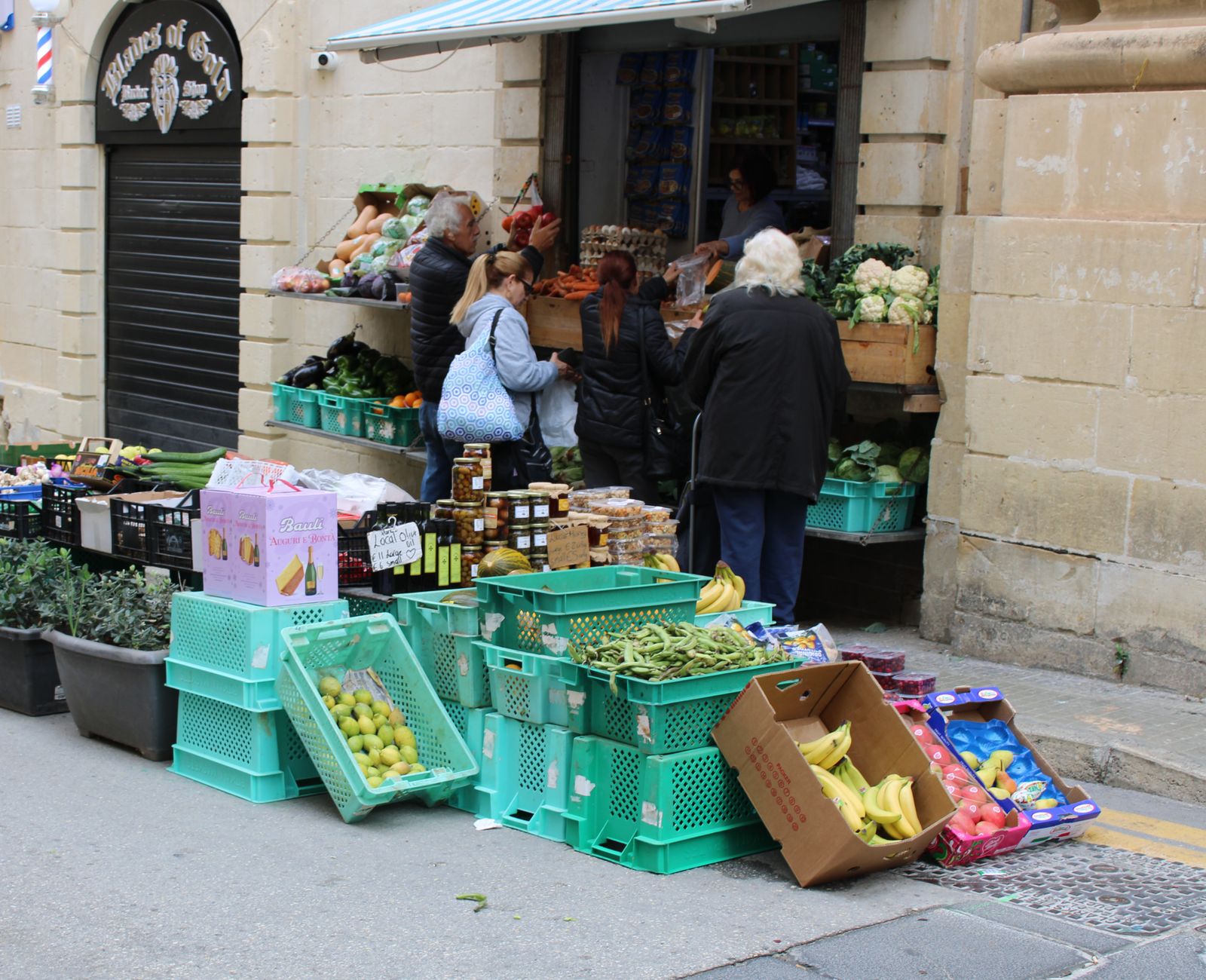
Brades commercial area concentrates most island shops. This is the easiest place to find multiple stores. You can park and walk between several shops. The walk is short because the area is compact. Multiple vendors offer similar products, so comparison shopping works well. The community atmosphere makes shopping enjoyable. Staff in shops know products and customers well.
Little Bay village offers smaller, more personal shopping. Family-run shops line the streets near the waterfront. You will discover hidden gems in unexpected places. The shopping pace here is slower and more relaxed. Vendors chat with customers and share stories. This area offers authentic island community experiences. Walking through Little Bay feels like stepping back in time.
John A. Osborne Airport has a small gift shop. This is convenient if you need last-minute souvenirs. The selection is limited compared to other shops. Prices are higher at the airport location. Shop downtown first if you have time. The airport shop works best for forgotten items or impulse purchases. Hours change seasonally with flight schedules.
Hotels sometimes have gift shops with tourist items. Quality and pricing vary widely. These shops offer convenience but limited authentic selections. Many hotels will direct you to better local shops. Hotel staff make excellent recommendations for shopping. Ask your accommodation for current shop information. Personal recommendations from locals beat generic hotel shops.
PRO TIP: Build relationships with shop owners by visiting multiple times if you stay longer. Regulars often receive better prices, recommendations, and access to new items before general sale.
Shopping Hours and Tips
Most shops operate Monday through Saturday. Sunday hours are limited or completely closed. Many businesses close for lunch between noon and 1 PM. Plan shopping for morning hours when possible. Markets open earliest, often starting at 6 AM. Afternoon shopping requires more flexible timing. Some shops open on Sunday during the busy tourist season. Calling ahead ensures shops are open when you visit.
Bring small bills and coins for easier transactions. Many small vendors prefer cash in exact amounts. ATMs exist in Brades but not everywhere. Plan ahead to have enough cash on hand. Debit and credit cards work in larger shops. Exchange rates matter if you use cards. Getting local currency before shopping simplifies transactions. Banks and cambios offer currency exchange services.
Visit markets early for the best selection. Afternoon shopping means picked-over produce and items. Morning visits avoid crowds and heat. Bring bags or a backpack for purchases. Market bags get heavy with fresh produce. Reusable bags reduce plastic waste on the island. Wear comfortable walking shoes for market exploration. The ground can be uneven in some market areas.
Learn a few local phrases to connect with vendors. People appreciate efforts to use English naturally and respectfully. Ask vendors about their products and origin. Personal connections create better shopping experiences. Vendors enjoy sharing knowledge about their goods. Polite interactions lead to friendly service. Montserrat residents value genuine human connection in commerce.
Haggling happens in some market situations but not everywhere. Food markets accept gentle price negotiation. Established shops have fixed prices. When in doubt, ask respectfully if prices are negotiable. Many vendors offer discounts for bulk purchases. Bundle items to get better rates. Building relationships encourages better pricing over time. Aggressive haggling is inappropriate and disrespectful.
What To Buy in Montserrat
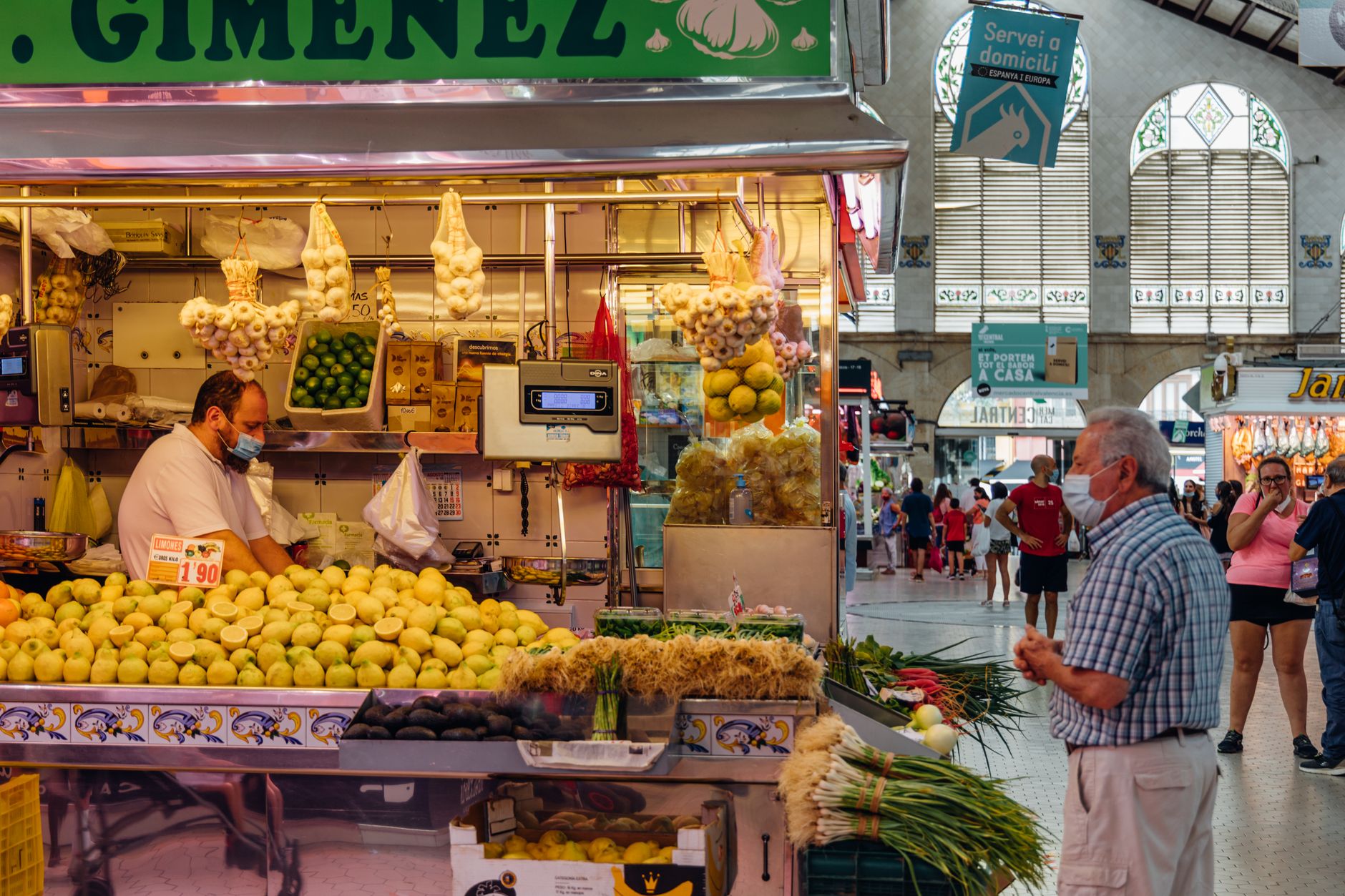
Montserrat has several signature items worth purchasing. Fresh tropical fruits make excellent gifts if traveling short distances. Mangoes, avocados, and plantains showcase island agriculture. Dried fruits last longer than fresh produce. Local hot pepper sauce carries the island's flavors home. Several small producers make authentic Montserrat hot sauce. The sauce works in many dishes and reminds you of your visit. A small bottle is easy to pack and transport.
Montserrat honey represents the island's natural bounty. Local beekeepers produce pure, unfiltered honey. The flavor reflects island flowers and vegetation. Honey makes an excellent healthy gift. Small jars fit easily in luggage. Honey keeps for years without refrigeration. Several brands produce quality honey on the island. Supporting beekeepers helps preserve local agriculture.
Rum and alcohol products represent Caribbean culture. Local distilleries create rum from sugarcane. Island rum makes a classic souvenir. Duty-free shopping at the airport offers good prices. Bottles transport safely in checked luggage. Rum varieties range from light to dark. Selecting local rum supports island producers. Traditional Caribbean cocktails use local rum. Sharing island rum creates meaningful moments with friends.
Books about Montserrat's history and culture make thoughtful gifts. Local authors write about island heritage. Books share the volcano's impact on residents. Reading materials enhance your understanding of the island. Gift shops carry books by Montserrat writers. Educational souvenirs provide value beyond typical tourist items. Books are easy to pack and transport. Purchasing local authors supports the literary community.
Music CDs feature island artists and traditional Caribbean music. Live music is important to Montserrat culture. Local musicians create diverse musical styles. CDs allow you to bring island rhythms home. Music shops carry both popular and traditional artists. Listening to island music revives travel memories. Live music venues sometimes sell artist merchandise. Supporting musicians helps preserve cultural traditions.
Frequently Asked Questions
What Currency Should I Bring To Montserrat Markets?
Bring East Caribbean dollars (XCD) for market shopping. Most small vendors prefer cash payments. ATMs exist in Brades but are limited elsewhere. Changing money before shopping is wise. Banks and currency exchange services operate in main towns. Credit cards work in larger shops but markets prefer cash. Bring a mix of small bills and coins. Large bills are harder to break in small markets. Planning ahead ensures smooth shopping transactions on the island.
What Are Typical Hours for Montserrat Markets?
Most markets open early, around 6 or 7 AM. The main Brades Market operates until early afternoon. Sunday hours are limited or completely closed. Many shops close for lunch around noon. Operating hours vary seasonally and by weather. Calling ahead confirms current hours before shopping. Weekday mornings offer the best selection and atmosphere. Afternoon shopping may mean limited produce and items available. Plan your shopping during morning hours when possible for best results.
Can I Haggle Prices at Montserrat Markets?
Haggling is acceptable in produce markets but not established shops. Gentle negotiation works better than aggressive haggling. Bulk purchases often receive discounts without asking. Building friendly relationships with vendors encourages better prices. Some vendors offer discounts for regular customers. Respect vendors' livelihoods and reasonable pricing practices. Asking respectfully if prices are negotiable is appropriate. Many small vendors already offer fair prices without negotiation. Aggressive haggling is disrespectful to local business owners.
What Souvenirs Are Best To Buy in Montserrat?
Handmade crafts by local artisans make authentic souvenirs. Hot pepper sauce and honey represent island flavors. Jewelry created by island artists offers unique pieces. Rum and other spirits reflect Caribbean culture. Books about Montserrat history provide educational value. Fresh tropical fruits work for short trips. Music CDs feature island artists and traditional styles. Textiles with Caribbean patterns make practical gifts. Support local creators by purchasing directly from artisans. Each authentic souvenir connects you to Montserrat culture and people.
Are There English-Speaking Vendors in Montserrat Markets?
English is the official language of Montserrat. All vendors and shop staff speak English fluently. Communication is straightforward and easy. Locals appreciate efforts to be polite and respectful. Staff enjoy helping visitors find what they need. You will have no language barriers while shopping. Vendors often share information about their products willingly. Friendly interactions create positive shopping experiences. English-speaking vendors make Montserrat very accessible for tourists. Shopping conversations often turn into enjoyable cultural exchanges.