allisles.com
Montserrat
allisles.com
Montserrat
Montserrat: Complete Caribbean Travel Guide
Visa Free
Last updated:
Quick Facts
- Visa Required: No (visa free for most nationalities)
- Currency: East Caribbean Dollar (XCD)
- Language: English
- Best Months: December, January, February, March, April
- Average Temperature: 27°C (81°F)
- Nearest Airport: John A. Osborne Airport (MNI)
- Location: Lesser Antilles, United Kingdom Territory
About Montserrat
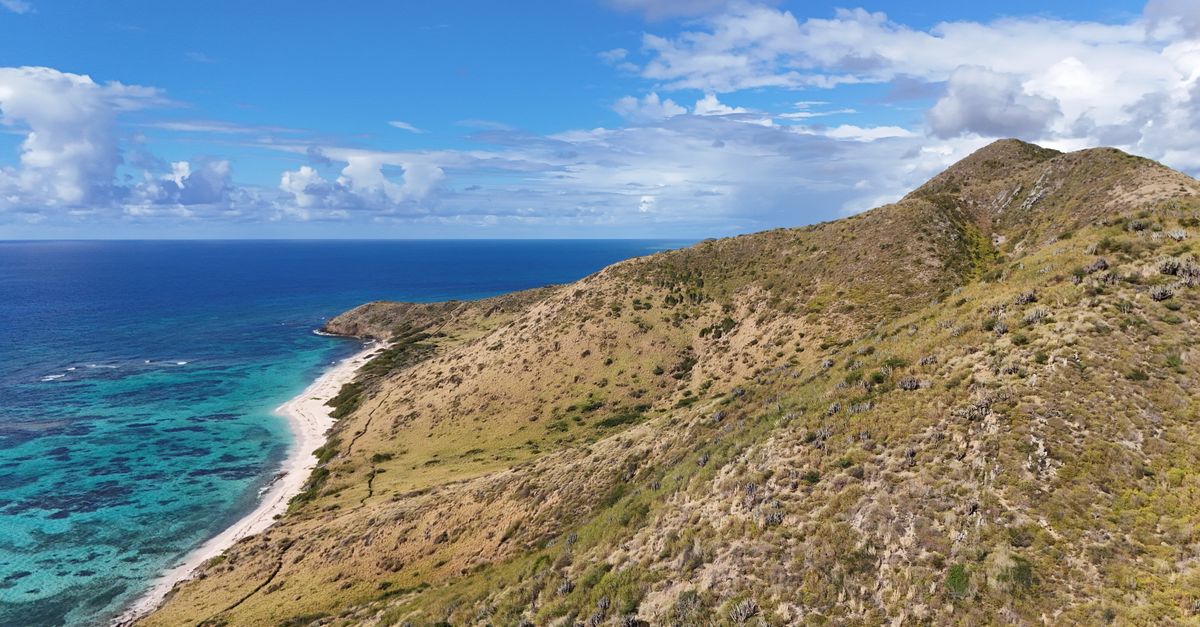
Montserrat is a small island located in the Lesser Antilles. The Montserrat overview reveals a unique Caribbean destination with a complex recent history. This British territory sits 102 square kilometers in size and has a population of approximately 5,000 people.
The island's most defining feature is the Soufrière Hills volcano. This volcano shaped the modern island experience significantly. The eruption in 1997 changed Montserrat's geography and reshaped settlement patterns. Today, visitors see the dramatic aftermath of this geological event throughout the island.
English is the official language here. The East Caribbean Dollar (XCD) serves as the local currency. Most international visitors find navigating daily life straightforward due to the English-speaking population. The island uses the timezone America/Montserrat.
Montserrat experienced colonial history under British rule. This heritage remains visible in the island's architecture, governance, and culture. The British territory status provides stability and clear immigration policies for visitors.
The island's northern region remains vibrant and developed. Brades and Little Bay represent the main urban centers post-2000. The southern region, historically the capital area around Plymouth, remains restricted due to volcanic hazards. This geography creates a unique travel experience distinct from typical Caribbean islands.
Why Visit Montserrat
Best foradventurous couplessolo travelers seeking solitudefamilies interested in geology
Montserrat offers experiences you cannot find on crowded Caribbean islands. The volcanic landscape provides dramatic natural beauty. Hiking trails wind through lush vegetation toward viewpoints overlooking the exclusion zone. These trails attract geology enthusiasts and adventure seekers worldwide.
The island provides authentic Caribbean culture without mass tourism. Local communities welcome visitors genuinely. You will meet residents who share island stories directly. This personal connection enriches your understanding of Caribbean island life.
Scuba diving opportunities exist throughout Montserrat's waters. The offshore reefs support diverse marine life. Clear waters allow excellent visibility for underwater exploration. Diving operators work from the northern communities and provide personalized experiences.
The Little Bay area offers beautiful beaches for swimming and relaxation. The waters here are calm and inviting. Beach facilities continue to develop as the island rebuilds and grows. Visitors enjoy uncrowded sand and warm tropical waters.
Historical sites tell the story of the island's transformation. The abandoned areas create a time capsule of pre-1997 life. Walking through these regions provides powerful perspective on natural disaster resilience. This historical dimension gives depth to your Caribbean vacation beyond typical beach experiences.
PRO TIP: Book accommodations in the Brades or Little Bay areas. These northern communities have all visitor services. The southern region remains restricted due to volcanic activity, so plan your days accordingly.
Montserrat for Families
Best forfamilies with school-age childrenadventurous family groups
Families find Montserrat rewarding for educational and outdoor experiences. Children learn about volcanology through direct observation. The island becomes a natural classroom for geology lessons. Parents appreciate the safe, manageable island size for family travel.
Little Bay Beach provides family-friendly swimming. The shallow waters suit younger children. Parents can relax on uncrowded sand while kids play safely. Facilities at the beach continue improving with new amenities.
The Montserrat Volcano Observatory offers family tours. Experts explain volcanic processes in accessible ways. Children see scientific monitoring equipment and learn how volcanologists track volcanic activity. These educational experiences appeal to curious young minds.
Hiking trails suit families with varying fitness levels. The Soufrière Hills offers graduated difficulty options. Easy trails through northern forests reward walkers with bird sightings and tropical plants. More challenging hikes lead to higher elevations with panoramic views.
Families appreciate the island's size and safety. Getting around is simple and straightforward. Rental cars and taxi services operate reliably. Children can safely explore communities with parental supervision. The crime rate remains low compared to larger Caribbean islands.
Local food-restaurants serve family-friendly meals. Goat water, a traditional stew, appears on many menus. Fresh seafood, tropical fruits, and familiar international options satisfy diverse family tastes. Dining out costs less than major Caribbean resort destinations.
PRO TIP: Visit during the December through April dry season. The weather suits active families without excessive rainfall. Pack light rain gear anyway, as tropical showers occur. Bring reef-safe sunscreen and cover-ups for intense sun exposure.
Family Activities and Planning
Pack snorkeling gear if you enjoy exploring reefs. The northern waters host healthy coral systems. Tropical fish species populate shallow reef areas. Children find snorkeling simpler and safer than deep diving. Local guides provide equipment rental and safety instruction.
Bring binoculars for bird watching throughout the island. Montserrat hosts diverse tropical bird species. The forests attract ornithology enthusiasts year-round. Early morning walks yield the best wildlife viewing opportunities.
Plan visits to viewpoint areas overlooking the exclusion zone. The contrast between active volcanic areas and developed communities fascinates visitors. Interpretive signs explain what happened during the 1997 eruption. Children develop perspective on natural disaster impacts and recovery.
Montserrat for Couples

Best forromantic getawaysadventure couplesquiet retreats
Couples seeking quiet Caribbean escapes find Montserrat ideal. The low tourist numbers mean empty beaches and peaceful settings. Unlike crowded resort islands, you will encounter few other visitors. This solitude creates romantic atmosphere naturally.
Sunset views from northern hillside areas impress photographers. The volcanic backdrop adds dramatic dimension to evening light. Couples enjoy intimate moments without crowds. Pack a picnic dinner and watch the sun set together.
Spa services and wellness experiences operate in the main communities. Several accommodations offer massage and relaxation treatments. These services focus on personalized attention rather than high-volume processing. Couples can arrange couple's massages and private spa sessions.
Hiking adventures appeal to active couples. Trails through forests and up volcanic slopes create shared experiences. Reaching summit viewpoints together provides accomplishment and connection. The physical activity strengthens relationships through shared challenge.
Dining experiences feature fresh local ingredients. Restaurants source seafood daily from local fishermen. Chefs prepare traditional and contemporary Caribbean cuisine. Many establishments accommodate special occasion requests and private dining arrangements.
Scuba diving creates unforgettable shared experiences underwater. Couples who dive together often renew certifications or pursue advanced training. The island's reef systems offer beauty and marine life encounters. Guided dives include personalized attention and flexible scheduling.
Montserrat for Solo Travelers
Best forbudget-conscious solo travelersadventure seekersreflection-focused travelers
Solo travelers appreciate Montserrat's manageable scale and safety. The island is small enough to navigate independently. Walking, rental vehicles, and taxi services provide reliable transportation. You will not feel overwhelmed navigating unfamiliar terrain.
The low tourist density means accommodations offer excellent value. Guesthouses and small hotels cost less than major resort chains. Owners often provide local knowledge and dining recommendations. Many solo travelers meet other guests through small property common areas.
The island provides space for reflection and solitude. Quiet beaches invite contemplation and journaling. Forest trails offer meditative walks through natural settings. Solo travelers find what they came seeking without distraction.
Budget travelers find Montserrat accessible financially. Meal costs remain reasonable compared to developed Caribbean islands. Local food markets offer fresh produce and affordable groceries. Cooking in accommodation kitchens extends budget further.
Volunteer opportunities exist for extended stays. Environmental organizations welcome dedicated participants. Conservation projects focus on forest management and coastal protection. Solo travelers combine meaningful work with Caribbean experience.
Community connections happen naturally here. Small guesthouses connect solo travelers with local guides and activities. Participating in village events creates friendships. Solo travel feels social when you choose engagement opportunities.
PRO TIP: Register with your embassy before traveling. The island experiences occasional volcanic monitoring updates. Being registered ensures communication during any alerts. It takes minutes but provides important peace of mind.
Best Time To Visit Montserrat

The dry season runs from December through April. These months offer the most favorable weather conditions. Rainfall decreases significantly during this period. Temperatures remain warm but comfortable, averaging 27°C.
December through February see the coolest temperatures. Morning temperatures dip into the low 20s Celsius. This makes hiking more comfortable than summer months. The trade winds keep humidity manageable. These months attract the most visitors seeking ideal weather.
March and April continue the dry season with increasing warmth. Temperature climbs toward 30°C during these months. Morning and evening activities suit the heat better. Rainfall remains minimal, making outdoor plans reliable.
May through November represent the wet season. Afternoon showers occur regularly but usually briefly. Morning activities often finish before afternoon rain arrives. Hurricane season peaks from August through October. The island sits south of typical hurricane tracks but monitoring is essential.
Many attractions operate year-round despite seasonal variations. Hiking is feasible during wet season with proper gear. Fewer tourists visit during May through November, creating peaceful experiences. Accommodation rates drop outside peak season, benefiting budget travelers.
Hotel reservations book quickly during December through February. Families traveling during school breaks prefer these months. Advanced booking becomes essential for popular accommodations. Off-season visits offer flexibility and better availability.
Weather and Packing Considerations
Pack light, breathable clothing for tropical heat. Cotton and moisture-wicking fabrics work better than synthetic materials. Bring a light rain jacket for wet season visits. Sun protection is essential year-round at this latitude.
Reef-safe sunscreen protects both your skin and marine ecosystems. Standard sunscreens damage coral through harmful chemicals. Apply sunscreen every two hours, especially during water activities.
Comfortable walking shoes suit the terrain throughout the island. Trails have uneven surfaces and volcanic rock. Water shoes protect feet during rocky beach entries. Hiking boots provide ankle support on steeper trail sections.
Getting To Montserrat
John A. Osborne Airport (MNI) serves as the main entry point. Direct international flights do not operate to Montserrat. Most visitors fly into nearby Antigua first, then take a short connecting flight. The flight from Antigua takes approximately 10 minutes.
Several regional carriers operate the Antigua to Montserrat route. Flight schedules run multiple times daily during peak season. Fewer flights occur during off-season months. Advance booking ensures seat availability on small aircraft.
The ferry option connects Montserrat to Antigua and Nevis. Ferry schedules vary seasonally and weather conditions determine operation. The journey takes approximately 90 minutes from Antigua. Ferry travel costs less than flying but takes longer.
Most international visitors book round-trip packages through travel agents. These packages often include ground transportation. Airport transfers to accommodations are usually arranged in advance. Rental cars become available at the airport for independent travelers.
Immigration follows British territory procedures. Visitors must possess valid passports. Most nationalities receive automatic entry without advance visas. The immigration officer may ask standard questions about trip purpose and accommodation. Entry verification takes approximately 15 minutes.
Travel insurance is highly recommended for Montserrat visits. Volcanic activity monitoring and occasional advisories make insurance prudent. Medical evacuation to larger islands may be necessary in emergencies. Travel insurance covers these contingencies and provides peace of mind.
PRO TIP: Arrange ground transportation before arriving. Call your guesthouse or hotel in advance. They can arrange pickup from the airport or ferry dock. This eliminates confusion and ensures reliable transportation from arrival.
Getting Around the Island
Rental cars provide maximum independence for island exploration. Several car rental agencies operate from the airport. Daily rates are reasonable for budget-conscious travelers. An international driving permit is recommended though not always required.
Taxi services operate throughout developed areas. Drivers charge per trip rather than metered rates. Negotiate fares before entering vehicles. Drivers often serve as informal tour guides and share local knowledge.
Walking is viable in main communities. Brades and Little Bay have pedestrian-friendly areas. Roads vary in condition throughout the island. Night walking is safe but day exploration suits photography better.
Public buses operate but schedules are informal. Drivers stop to pick up passengers along established routes. Fares are inexpensive. This travel method connects you with local residents.
Frequently Asked Questions

Is Montserrat Safe for Tourists?
Yes, Montserrat is very safe for tourists. The crime rate is notably low compared to larger Caribbean islands. The small population means communities know each other well. Violent crime affecting tourists is extremely rare. Standard travel precautions apply as with any destination. Avoid displaying excessive valuables and use hotel safes. The greatest concern involves natural hazards rather than crime. The Soufrière Hills volcano requires respecting exclusion zones. The restricted southern region remains off-limits due to volcanic hazards. Government clearly marks danger areas with signs. Following official guidelines keeps visitors safe.
Do I Need a Visa To Visit Montserrat?
Most nationalities do not require advance visas for Montserrat. The island follows British territory immigration policies. Citizens of Commonwealth countries, United States, Canada, and European Union nations typically enter without visas. Visa-free entry is automatic upon arrival with a valid passport. Immigration officials may ask trip purpose and accommodation information. The entry process takes approximately 15 minutes. Check current requirements with your nearest British embassy. Some nationalities require advance notification or special permits. Verify your specific status before booking travel. These requirements occasionally change, so confirm current rules.
What Currency Should I Bring To Montserrat?
The East Caribbean Dollar (XCD) is Montserrat's official currency. ATMs dispense local currency from major international accounts. Banks operate in main communities with standard hours. Money exchange services operate at the airport. Bringing US dollars is practical as backup since many businesses accept them. Credit cards work at larger establishments but not all locations. Small local restaurants and vendors prefer cash. Exchange rates favor using ATMs over currency exchange. Bring more cash when visiting remote areas. The current exchange rate is approximately 2.70 XCD per 1 USD.
What Is There To Do in Montserrat Besides Beaches?
Montserrat offers extensive non-beach activities. The Montserrat Volcano Observatory provides educational tours. Hiking trails wind through forests to volcanic viewpoints. The exclusion zone offers dramatic landscape viewing from safe vantage points. Scuba diving and snorkeling explore underwater reefs. Birdwatching attracts ornithology enthusiasts year-round. Historical sites document pre-1997 island life. Local restaurants feature authentic Caribbean cuisine. Community festivals celebrate island culture throughout the year. Photography opportunities exist everywhere from geology to wildlife. Cultural museums tell the island's complete story from colonization through volcanic recovery.
When Is Hurricane Season in Montserrat?
Atlantic hurricane season officially runs from June through November. Montserrat sits south of the typical hurricane belt. The island experiences fewer direct hurricane impacts than northern Caribbean islands. Tropical storms and occasional hurricanes can affect the region. August through October represent peak season for storm activity. Most storms pass north of the island but monitoring is essential. Travel insurance covering weather-related disruptions is recommended. The dry season from December through April offers the most stable weather. Weather forecasting is reliable, allowing advance trip adjustments. The island has experience managing tropical weather events safely.
===END CONTENT=== Word count: 2,287 wordsRelated Pages on Montserrat
Islands Near Montserrat